COINBASE:BTCUSD

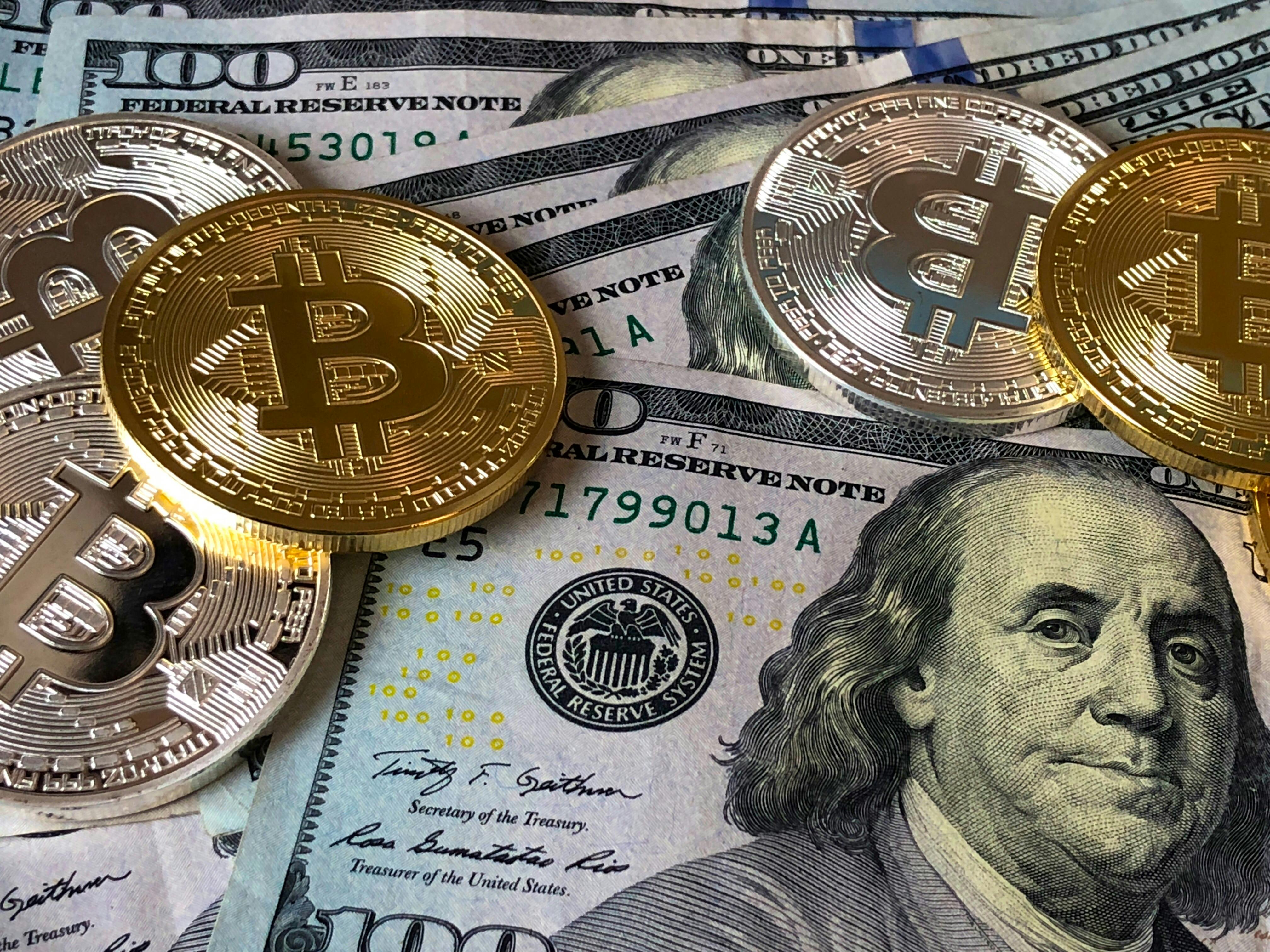
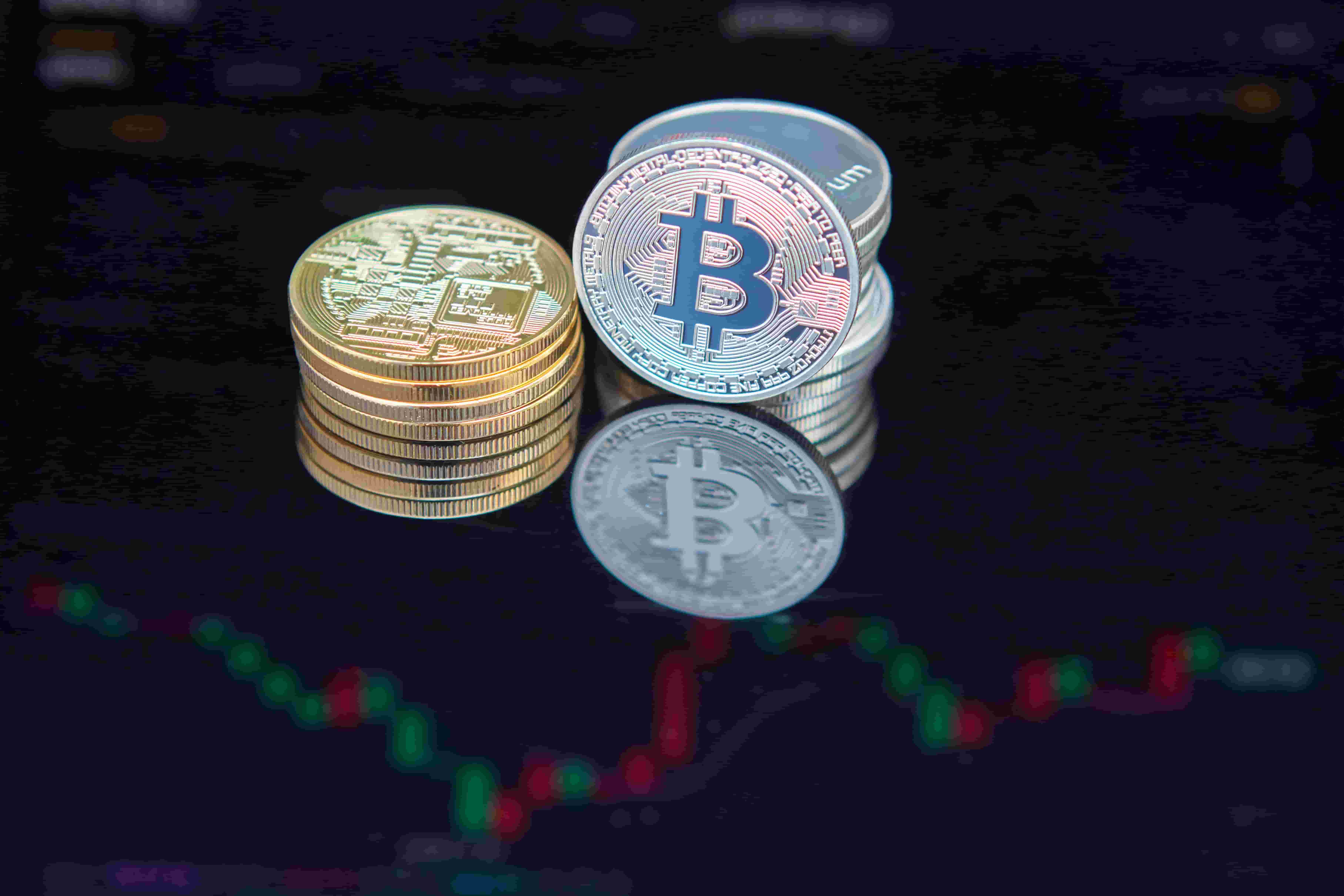
Bitcoin headed 'in bullish direction' as investors bet on Fed pause: Chart of the Day

Bitcoin jumped above $86,000 on Friday after a cooler-than-expected jobs report.

(finance.yahoo.com)
Post Image
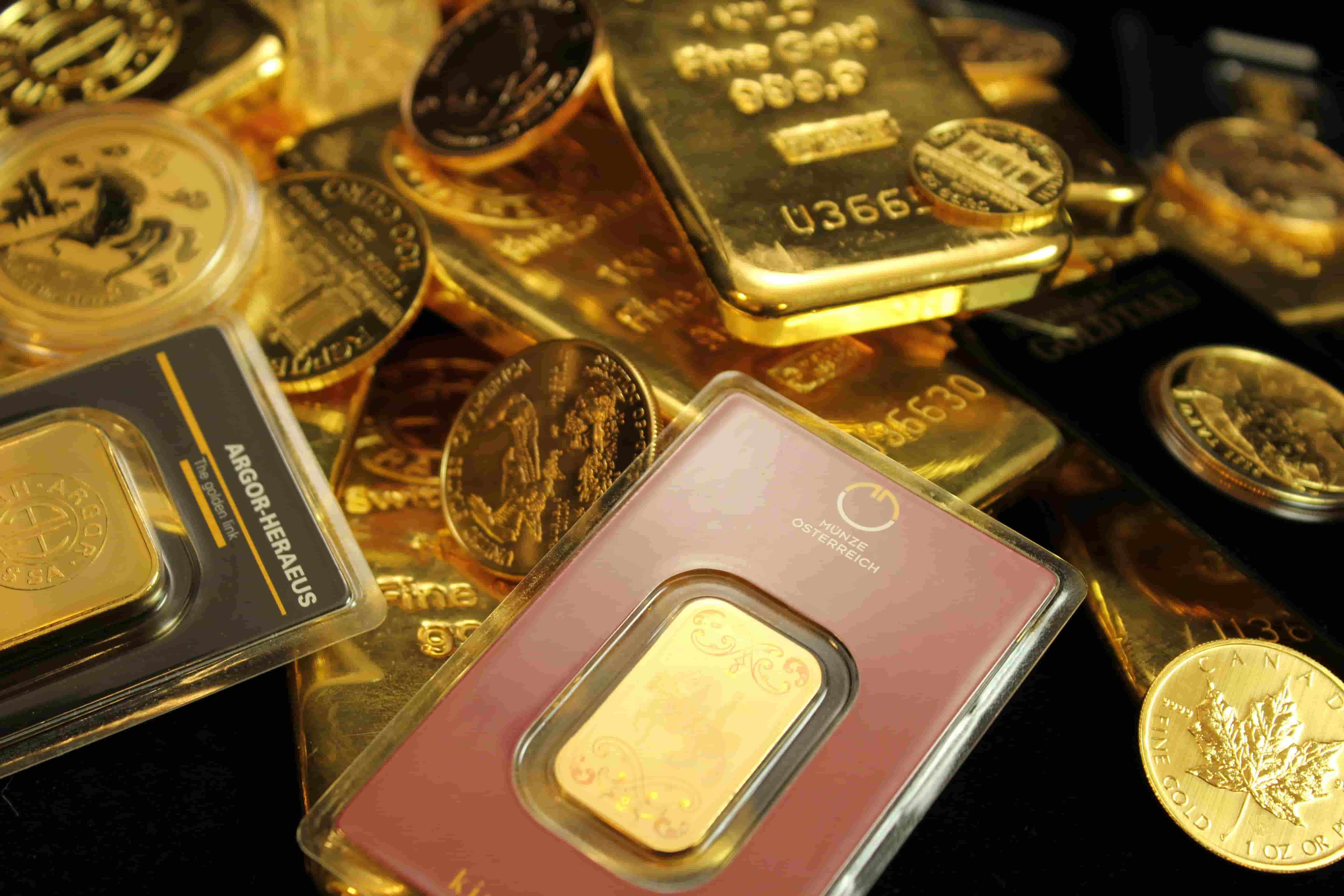
Gold, Silver and Bitcoin Fall as Rising Treasury Yields Pressure Alternative Assets

Gold, silver and Bitcoin moved sharply lower on Monday as rising U.S. Treasury yields and renewed inflation concerns weighed on assets that do not generate income.

Gold futures fell 3.9% to about $4,151.80 an ounce, while silver dropped 5.5% to $61.24. Bitcoin declined 1.9% to around $82,924, extending the broader risk-off move across markets.

The selloff comes as U.S. bond yields continue to climb, with the 10-year Treasury yield moving above 5.2%. Higher yields increase the opportunity cost of holding gold and silver, while also tightening financial conditions for speculative assets such as Bitcoin.

Rising oil prices are adding to the pressure by pushing inflation expectations higher. That makes investors less confident that the Federal Reserve will be able to ease monetary policy quickly and increases the possibility that interest rates remain elevated for longer.

Silver is underperforming gold because it carries both precious-metal and industrial exposure, making it more sensitive to shifts in growth expectations and market volatility. Bitcoin is also being pressured by the same higher-rate environment as investors reduce exposure to riskier assets.

The common theme across all three markets is the sharp rise in real and nominal yields. Unless Treasury yields stabilize, gold, silver and Bitcoin could remain vulnerable despite their different long-term investment narratives.
Post Image
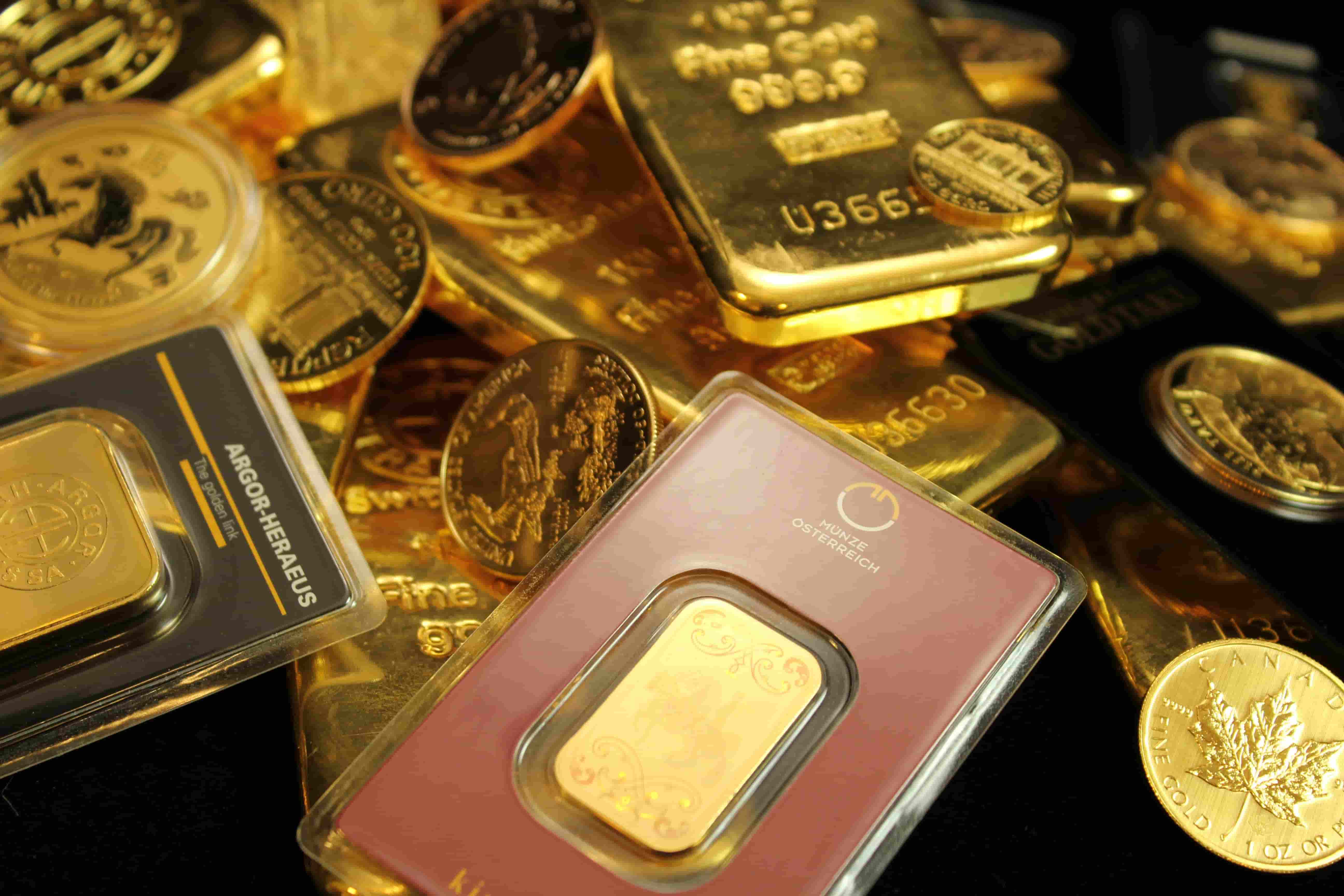
Gold and Bitcoin Rise as Investors Seek Safety and Risk Exposure After Fed Decision

Gold and Bitcoin moved higher Friday, with both assets benefiting from shifting expectations around inflation, interest rates and broader market risk sentiment.

December gold futures rose 0.60% to about $4,426 an ounce, extending gains as investors continued to assess the Federal Reserve’s latest rate increase and the outlook for inflation. Gold remained supported by demand for defensive assets, even as oil prices retreated and some immediate geopolitical supply concerns eased.

Bitcoin climbed 2.13% to around $78,019, recovering further from recent weakness. The cryptocurrency moved steadily higher through the session and briefly approached $78,500 as risk appetite improved.

The moves reflect different parts of the same macro environment. Gold is benefiting from continued demand for inflation protection and safe-haven exposure, while Bitcoin is drawing support from stronger appetite for higher-risk assets and renewed interest in crypto after the Fed’s policy decision reduced some uncertainty around the near-term rate outlook.

For both markets, the next major drivers are likely to be U.S. inflation data, Treasury yields, the dollar and any further signals from Federal Reserve officials about the possibility of additional rate increases.
Post Image
Bitcoin Falls Below $76,000 After CLARITY Act Fails to Advance in Senate

Bitcoin fell 1.5% to around $75,794 on Wednesday, extending losses after the U.S. Senate failed to advance the Digital Asset Market CLARITY Act, dealing a setback to hopes for a comprehensive U.S. regulatory framework for cryptocurrencies.

The legislation failed to clear the Senate’s 60-vote procedural threshold on Tuesday. The vote was 50-49 in favor before a procedural switch, with opposition centered partly on ethics provisions and other unresolved regulatory issues. The bill was designed to establish clearer rules for digital-asset issuance and trading and clarify regulatory responsibilities between the SEC and CFTC. [Reuters)

The regulatory disappointment is being compounded by a difficult macro backdrop. Investors are awaiting Wednesday’s Federal Reserve decision, while elevated U.S. Treasury yields and expectations for a potential rate increase are supporting the dollar and pressuring risk assets including cryptocurrencies.

For Bitcoin, the combination of delayed U.S. regulatory clarity and tighter monetary-policy expectations has weakened momentum after the cryptocurrency recently traded above $80,000.
Post Image
Gold and Bitcoin End Volatile Week Lower as Fed Rate-Hike Expectations Rise

Gold and Bitcoin came under pressure this week as surging Treasury yields, persistent U.S. inflation and sharply higher oil prices strengthened expectations that the Federal Reserve could raise interest rates at its September meeting.

Gold December futures finished Friday at $4,408.90 per ounce, nearly unchanged on the day but down about 1.8% over five sessions. Spot gold lost roughly 1.5% for the week, marking a third consecutive weekly decline. Rising bond yields were the main headwind, with the U.S. 10-year Treasury yield approaching 5% as investors repriced the interest-rate outlook. (Reuters)

Inflation remained central to the selloff. August CPI rose 0.4% month over month and 3.4% annually, while core prices increased 0.3%. Markets ended the week pricing an approximately 87% probability of a Fed rate increase next week. Gold nevertheless attracted dip-buying on Friday, while geopolitical uncertainty continued to provide some safe-haven support. (Reuters)

Bitcoin followed a similar risk-off pattern, falling about 2.3% over five days to around $77,300. The cryptocurrency briefly approached $80,000 before retreating toward $77,000 as higher yields reduced investor appetite for non-yielding and higher-risk assets.

Oil added another layer of pressure. Brent gained more than 8% for the week despite retreating Friday to $104.61, as Middle East supply disruptions kept inflation concerns elevated.

Next week’s Federal Reserve decision is therefore the key catalyst for both assets. A rate hike accompanied by a hawkish outlook could keep gold and Bitcoin under pressure, while a less aggressive Fed message and a retreat in Treasury yields could provide room for a rebound.
Post Image
Gold, Silver and Bitcoin Fall as Higher Yields Keep Pressure on Alternative Assets

Gold, silver and Bitcoin traded lower Friday as elevated Treasury yields and persistent uncertainty over the Federal Reserve’s interest-rate outlook continued to weigh on non-yielding and risk-sensitive assets.

December gold futures fell 0.51% to $4,384.70 an ounce, although prices recovered substantially from an intraday low near $4,350. December silver declined 0.66% to $64.50 an ounce after also rebounding from earlier losses.

Bitcoin was down 1.04% over the past 24 hours at around $77,151. The cryptocurrency briefly fell toward $76,500 before recovering, but remained well below the $78,000 area seen earlier in the period.

The moves come after Thursday’s stronger-than-expected U.S. producer inflation data pushed Treasury yields sharply higher and revived concerns that the Fed could maintain a tighter policy stance. Meanwhile, oil prices remain above $100 a barrel despite Friday’s pullback, keeping energy-driven inflation risks in focus.

Investors are now turning their attention to Friday’s U.S. consumer inflation data, which could provide the next major signal for Treasury yields, the dollar, precious metals and Bitcoin ahead of next week’s Federal Reserve meeting.
Gold, Silver and Bitcoin Slide as Surging Treasury Yields Trigger Broad Selloff

Gold, silver and Bitcoin fell sharply Thursday as rising U.S. Treasury yields and renewed inflation concerns pressured both precious metals and cryptocurrencies.

December gold futures dropped 1.23% to $4,405.70 an ounce, while December silver futures plunged 4.98% to $65.23. Bitcoin fell 2.71% over 24 hours to around $77,016, briefly approaching $76,700.

The selloff came as the benchmark 10-year U.S. Treasury yield surged to around 4.92%, its highest level since late 2023. Higher yields increase the opportunity cost of holding non-yielding assets such as gold and silver and can also tighten financial conditions for risk assets including Bitcoin.

Inflation concerns intensified after August U.S. producer prices rose 0.4% month over month and 5.4% year over year, slightly above the 5.3% annual forecast. At the same time, Brent crude surged above $104 a barrel as supply disruptions and a sharp decline in Saudi production heightened fears that energy costs could keep inflation elevated.

Silver significantly underperformed gold, reflecting its greater volatility and sensitivity to both investment flows and industrial demand. Bitcoin also came under pressure as higher bond yields reduced investors’ appetite for risk.

Markets now turn to Friday’s U.S. CPI report. Another strong inflation reading could reinforce expectations for tighter Federal Reserve policy and keep upward pressure on Treasury yields, creating further headwinds for precious metals and cryptocurrencies.
Post Image
Gold and Bitcoin Rise as Middle East Tensions Drive Volatility Across Markets

Gold and Bitcoin moved higher Wednesday as escalating Middle East tensions, oil prices above $100 and renewed inflation concerns drove volatility across global markets.

December gold futures rose 0.77% to $4,473.10 per ounce, extending an intraday rebound as investors sought traditional safe-haven assets. Spot gold was also higher on the day as global equities declined.

Geopolitical risk remains a major catalyst. Brent crude climbed above $100 per barrel for the first time since July as renewed U.S.-Iran attacks, strikes on tankers and attacks on Saudi energy facilities intensified concerns over Middle East oil supplies. Brent reached an intraday high of $100.90, while flows through the Strait of Hormuz have fallen sharply.

Bitcoin also advanced, rising 1.76% over the past 24 hours to around $79,303 after trading below $78,000 earlier in the period. The cryptocurrency’s recovery came despite pressure on U.S. equities and rising Treasury yields, suggesting some improvement in crypto risk appetite.

However, higher oil prices create a competing risk for both assets. The energy surge is increasing inflation concerns and strengthening the case for tighter monetary policy. The U.S. 10-year Treasury yield was around 4.81%, near a three-year high, as markets await producer and consumer inflation reports later this week.

Gold is currently benefiting more directly from safe-haven demand, while Bitcoin remains sensitive to the outlook for interest rates and broader risk sentiment. Upcoming U.S. inflation data could therefore be the next major catalyst for both markets.
Post Image
Bitcoin Falls Below $79,000 as Fed Rate-Hike Bets and U.S.-Iran Conflict Weigh

Bitcoin extended its decline on Monday, falling below $79,000 as stronger U.S. interest-rate expectations and escalating tensions between the United States and Iran pressured risk appetite.

Bitcoin was trading at $78,866.34, down 1.02% over 24 hours. The cryptocurrency briefly traded above $80,000 earlier in the period before falling toward an intraday low near $78,500.

The decline follows Friday’s stronger-than-expected U.S. employment report. The economy added 162,000 jobs in August versus expectations of roughly 55,000, pushing the probability of a September Federal Reserve rate hike back toward 60%. Higher Treasury yields and tighter financial conditions tend to weigh on speculative assets including cryptocurrencies and gold.

Geopolitical risks are adding another layer of pressure. The U.S.-Iran conflict escalated over the weekend, driving Brent crude toward $97 as investors assessed the risk of further disruptions to Middle Eastern energy supplies. Higher oil prices could reinforce inflation pressures and make it harder for the Fed to adopt a more accommodative stance.

Bitcoin had climbed above $82,000 last week, but the combination of rising rate expectations, higher oil prices and geopolitical uncertainty has reversed part of that rally.

Attention now shifts to this week’s U.S. inflation data. A stronger-than-expected reading could reinforce expectations for a September rate hike and put further pressure on Bitcoin, while softer inflation could help restore risk appetite.
Post Image
Bitcoin Holds Near $80,000 After Strong U.S. Jobs Report Triggers Sharp Reversal

Bitcoin traded near $79,641 on Saturday, up 0.24%, after recovering from a sharp selloff triggered by stronger-than-expected U.S. employment data.

Bitcoin had climbed above $82,000 before the August jobs report, supported partly by Fed Governor Christopher Waller’s comments favoring unchanged rates if inflation continued to cool. The rally reversed after nonfarm payrolls increased by 162,000, far above expectations, while unemployment remained at 4.1%.

The strong labor data pushed Treasury yields higher and increased expectations for a Federal Reserve rate hike in September, pressuring rate-sensitive assets including cryptocurrencies. Bitcoin subsequently fell below $79,000 before recovering toward $80,000.

Despite the volatility, Bitcoin remains up about 1.4% over the five-day period shown in the chart. Attention now turns to the September 11 U.S. CPI report, which could play a major role in determining the Fed’s next move and Bitcoin’s near-term direction.
Video Thumbnail
10-08-26European Investor
Video Thumbnail
10-08-26The Investor
Video Thumbnail
10-05-26European Investor
Video Thumbnail
10-04-26The Investor
Video Thumbnail
10-01-26WS News