Gold

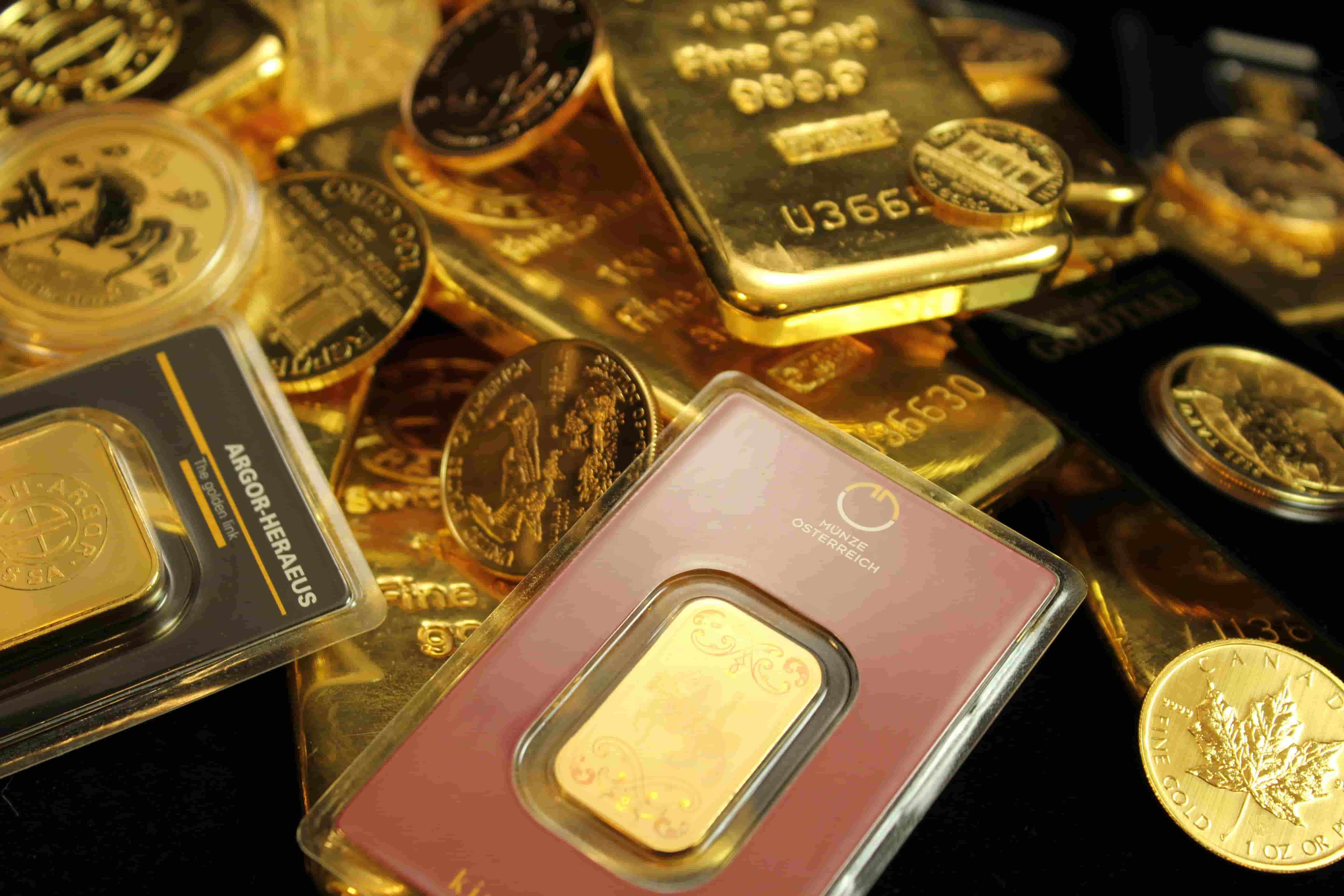
Gold Holds Above $4,000 as Cooling Inflation and Geopolitical Risks Offset Strong Labor Data

Gold prices edged higher on Friday, holding above the psychologically important $4,000-per-ounce level as easing inflation and lingering geopolitical tensions continued to support safe-haven demand despite signs of resilience in the U.S. labor market.

The precious metal gained around 0.2% to trade near $4,001 after this week’s softer-than-expected U.S. inflation report strengthened expectations that the Federal Reserve could begin cutting interest rates later this year. June CPI and core CPI both came in below market expectations, reinforcing the view that inflationary pressures are gradually easing.

At the same time, Thursday’s U.S. jobless claims data pointed to a still-solid labor market. Initial claims fell to 208,000, below expectations of 216,000, while continuing claims also declined, suggesting layoffs remain limited. However, weaker core retail sales indicated consumer spending may be losing some momentum, helping preserve expectations for policy easing.

Geopolitical developments also remained a key driver for gold. Investors continued to monitor tensions involving the United States and Iran following recent military exchanges, while broader conflicts in the Middle East and Eastern Europe maintained demand for defensive assets.

Looking ahead, traders will focus on upcoming Federal Reserve commentary and additional economic data for clues on the timing of the first rate cut. Any renewed geopolitical escalation could provide additional support for gold prices in the near term.

Gold and silver rally as CPI cools Fed-rate pressure - Kitco AM Report | Kitco News

Gold and silver rally as CPI cools Fed-rate pressure - Kitco AM Report
...

(kitco.com)

Gold is becoming the reserve asset of the new multipolar world – Sprott’s Paul Wong | Kitco News

Gold is becoming the reserve asset of the new multipolar world – Sprott’s Paul Wong ...

(kitco.com)
Gold Holds Above $4,000 as Investors Balance Geopolitical Risks and Economic Data

Gold prices edged higher on Tuesday, trading around $4,020 per ounce as investors continued to balance geopolitical uncertainty in the Middle East against a steady stream of global economic data and expectations for central bank policy.

The precious metal has remained well supported in recent weeks following renewed military tensions between the United States and Iran. Although immediate fears of a broader regional conflict have eased, the recent exchange of attacks has reinforced gold's appeal as a safe-haven asset, helping prices remain above the psychologically important $4,000 level.

At the same time, investors are digesting a series of mixed economic releases from major economies. China's trade data exceeded expectations, with both exports and imports posting strong growth, while recent inflation figures from India pointed to persistent price pressures. In Japan, industrial production missed forecasts despite stronger household spending, reflecting an uneven global economic backdrop.

Meanwhile, markets continue to assess the outlook for monetary policy. Softer inflation trends in some regions have strengthened expectations for future interest rate cuts, while resilient economic activity in others suggests central banks may remain cautious. This combination has helped limit downside pressure on non-yielding assets such as gold.

Looking ahead, traders will closely monitor upcoming U.S. inflation data, Federal Reserve commentary, and any further developments surrounding U.S.-Iran relations. While easing geopolitical tensions could reduce safe-haven demand, any renewed escalation or signs of slowing global growth could provide fresh support for gold prices.

Gold Sinks to $4000 on Trump's Hormuz Tariff Ahead of US Inflation, Fed Testimony, Earnings | Gold News

Gold sank near $4000 on Monday as silver also fell on the worsening US-Iran and Russia-Ukraine wars ahead of US inflation and Fed testimony

(bullionvault.com)
Gold Falls as U.S.-Iran Conflict Fuels Inflation Fears and Higher-For-Longer Fed Expectations

Gold prices fell nearly 1% on Monday, with August COMEX futures dropping below $4,080 per ounce, as escalating tensions between the United States and Iran pushed oil prices higher and shifted investor focus from safe-haven demand to the inflationary consequences of the conflict.

Middle East Conflict Lifts Oil Prices, Pressures Gold

While geopolitical uncertainty typically supports gold, the latest escalation in the Middle East has had the opposite effect.

Renewed military exchanges between the U.S. and Iran, along with concerns over potential disruptions to shipping through the Strait of Hormuz, have driven crude oil prices sharply higher. The prospect of higher energy costs has increased fears that inflation could remain elevated for longer, reducing expectations for easier monetary policy.

Higher Treasury Yields and Stronger Dollar Weigh on Bullion

The inflation outlook has pushed U.S. Treasury yields and the U.S. dollar higher, creating headwinds for gold.

As investors price in a greater likelihood that the Federal Reserve will keep interest rates elevated for longer, the opportunity cost of holding non-yielding assets such as gold has increased. Rising bond yields and a firmer dollar have therefore outweighed gold's traditional appeal as a safe-haven asset.

Markets Turn Attention to U.S. Inflation Data

Investors are now looking ahead to key U.S. economic releases, including inflation data and additional labor market indicators, for clues on the Federal Reserve's next policy move.

A stronger-than-expected inflation reading could reinforce expectations that policymakers will maintain a restrictive stance, potentially extending pressure on gold prices. Conversely, signs that inflation is easing despite higher energy costs could help stabilize the precious metal.

For now, the market remains focused on the inflationary implications of the U.S.-Iran conflict rather than its safe-haven characteristics, leaving gold under pressure despite heightened geopolitical risks.
Gold Rises Above $4,120 as Weaker Dollar and Safe-Haven Demand Offset Fed Rate Concerns

Gold prices climbed more than 1% today, with August COMEX futures rising to around $4,124 per ounce after recovering from a sharp selloff earlier this week. The rebound pushed the precious metal back above the key $4,100 level, although prices remain below recent highs reached earlier this month.

The recovery was driven primarily by a softer U.S. dollar, which made gold more attractive for overseas buyers, while renewed geopolitical uncertainty in the Middle East supported demand for safe-haven assets. Fresh tensions involving the United States and Iran continued to keep investors cautious despite gold's volatile trading over recent sessions.

However, gold's upside remains constrained by expectations that the Federal Reserve could keep monetary policy restrictive for longer. Rising oil prices have renewed inflation concerns, prompting investors to price in a higher probability of additional interest rate increases later this year.

The market's recent price action highlights the conflicting forces currently driving gold. On one hand, geopolitical tensions and safe-haven demand continue to provide support. On the other, higher Treasury yields and persistent inflation expectations are preventing a sustained breakout.

Investors are now closely watching upcoming U.S. economic data and Federal Reserve commentary for further clues on the interest-rate outlook. Any signs of easing inflation or a softer Fed stance could provide additional support for gold, while stronger economic data and rising yields may once again pressure the precious metal.
Gold Holds Near Record High as Rate Cut Expectations Continue to Support Prices

Gold traded higher on Monday, with August futures rising 0.9% to around *$4,162 per ounce*, as investors continued to favor the precious metal amid growing expectations that the Federal Reserve could begin cutting interest rates later this year.

The rally follows last week's weaker-than-expected U.S. labor market data, which showed the economy added just *57,000 nonfarm payrolls* in June, well below market expectations. The disappointing employment figures strengthened expectations for monetary policy easing, providing continued support for non-yielding assets such as gold.

Investor sentiment has also been supported by recent comments from Federal Reserve Governor Kevin Warsh, who signaled that policymakers should remain flexible as economic conditions evolve. Combined with expectations of lower borrowing costs, the remarks have reinforced demand for safe-haven assets.

Beyond monetary policy, ongoing geopolitical tensions and steady central bank purchases continue to provide a favorable backdrop for gold prices, helping the metal remain close to record highs.

Investors will now turn their attention to upcoming U.S. inflation data and additional comments from Federal Reserve officials for further clues on the timing and pace of potential interest rate cuts, which are likely to remain a key driver of gold prices in the coming weeks.
Gold Climbs While Brent Holds Steady as Markets Weigh Weak U.S. Jobs Data and Fed Outlook

Gold prices advanced sharply while Brent crude oil ended nearly unchanged on Friday, as investors assessed weaker-than-expected U.S. labor market data and its implications for Federal Reserve policy.

August gold futures settled at $4,181.10 per ounce, gaining 1.34%, after the June U.S. Nonfarm Payrolls report showed the economy added just 57,000 jobs, well below economists’ expectations of 114,000. Although weekly initial jobless claims came in at 215,000, slightly below forecasts, the sharp slowdown in hiring reinforced expectations that the Federal Reserve could begin cutting interest rates later this year.

Lower interest rates tend to support gold by reducing the opportunity cost of holding non-yielding assets. The precious metal also continued to benefit from recent remarks by Federal Reserve Governor Kevin Warsh at the ECB Forum in Portugal, where he emphasized that policymakers should remain flexible as economic conditions evolve. Ongoing geopolitical uncertainty and continued central bank demand also provided additional support for bullion.

Meanwhile, Brent crude finished the session near $71.76 per barrel, little changed despite early volatility. Oil prices initially came under pressure following the disappointing U.S. jobs report, as weaker employment growth raised concerns about future fuel demand in the world’s largest economy.

However, losses were limited by continued attention to global supply conditions, including OPEC+ production policy and broader geopolitical risks. Investors also weighed the possibility that weaker economic data could accelerate Fed rate cuts, which could eventually support economic growth and energy demand.

With U.S. financial markets closed on Friday for the Independence Day holiday, trading volumes remained relatively light. However, gold outperformed on growing expectations of monetary policy easing, while Brent crude held broadly steady as demand concerns were balanced by ongoing supply-side support.
Gold Rises as Weak U.S. Data Offsets Fed Remarks

Gold prices climbed on Wednesday as weaker-than-expected U.S. economic data strengthened expectations that the Federal Reserve could eventually lower interest rates, outweighing comments from Fed Chair Kevin Warsh.

The precious metal found support after the ADP employment report showed U.S. private payrolls increased by just 98,000 in June, below economists' expectations of 118,000. Additional economic data also pointed to easing inflation pressures, with the ISM Manufacturing Prices Index falling more than expected, reinforcing expectations that the U.S. economy is gradually cooling.

At the same time, remarks from Federal Reserve Chair Kevin Warsh at the ECB Forum in Sintra, Portugal added another layer to the market narrative. Warsh declined to provide any guidance on the Fed's July meeting and emphasized that inflation remains "too high," reaffirming the central bank's commitment to restoring price stability and maintaining its 2% inflation objective.

Although Warsh's comments sound relatively hawkish, investors focused more heavily on the softer economic data, which increased expectations that slowing growth could eventually pave the way for Federal Reserve rate cuts. Lower interest rates typically support gold by reducing the opportunity cost of holding non-yielding assets.

Warsh also stressed that future policy decisions would remain data dependent and highlighted the Fed's plans to improve its use of real-time economic data and artificial intelligence in policymaking, while avoiding any commitment on the timing of future rate moves.

With attention now shifting to Thursday's U.S. nonfarm payrolls report, investors are looking for further evidence that the labor market is cooling. Another weaker-than-expected employment report could reinforce expectations for future Fed easing and provide additional support for gold prices.
Video Thumbnail
07-14-26WS News
Video Thumbnail
07-13-26WS Investor
Video Thumbnail
07-12-26WS News
Video Thumbnail
07-09-26The Investor
Video Thumbnail
07-03-26WS News