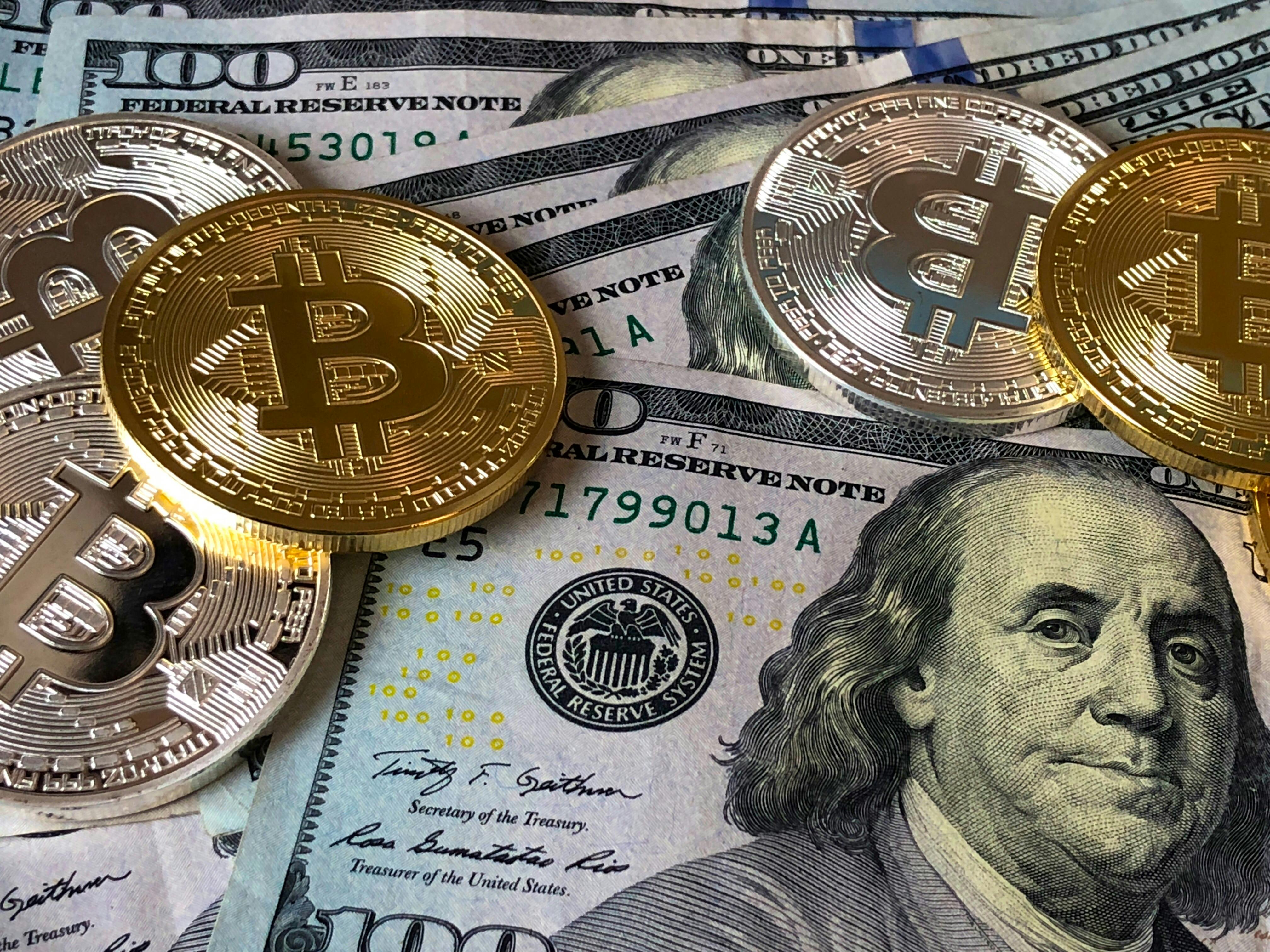
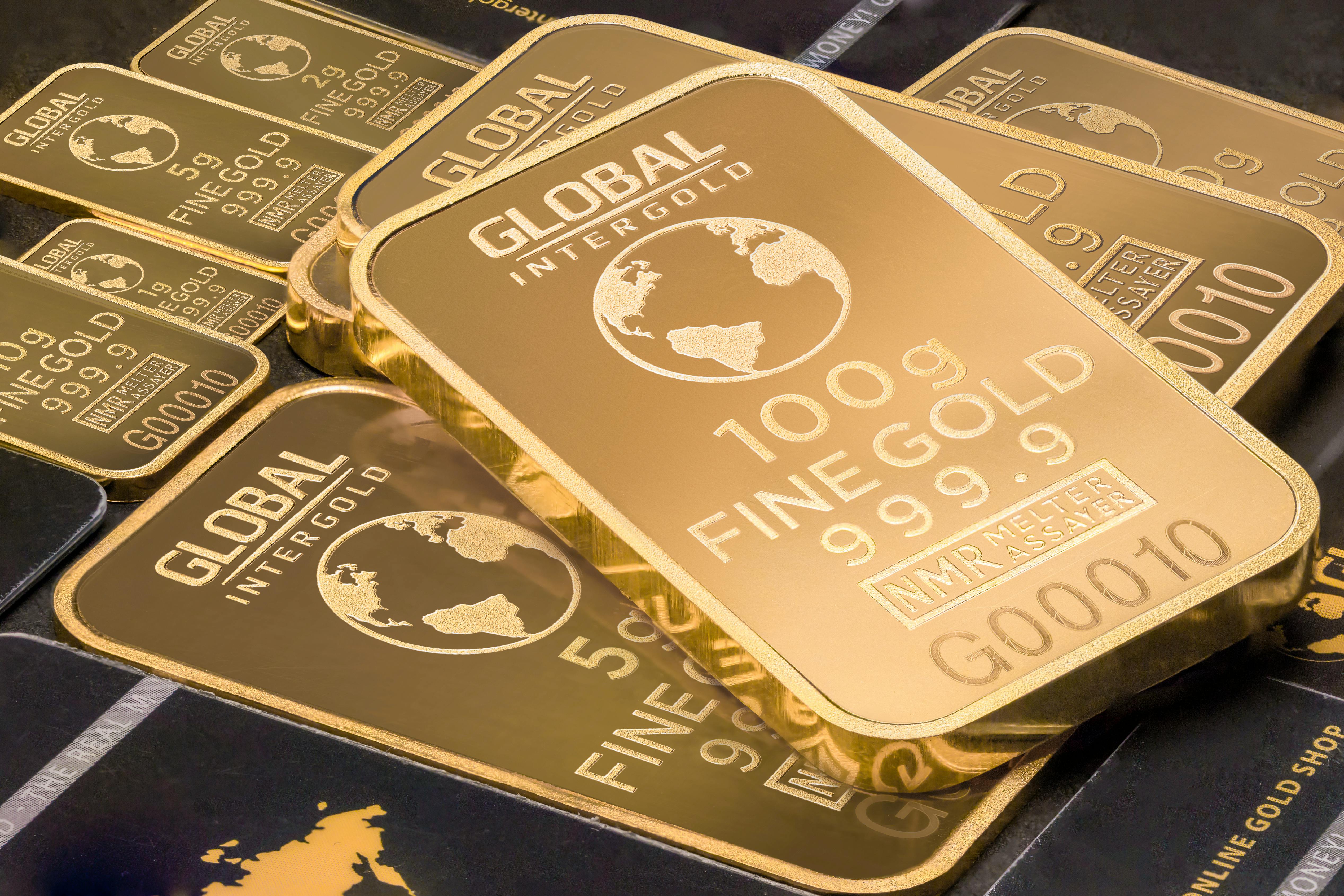
Silver

Gold and Silver Rise After Weak U.S. Jobs Data Boosts Rate-Cut Expectations

Gold and silver moved higher on Friday after weaker-than-expected U.S. employment data strengthened expectations for a more accommodative Federal Reserve policy outlook.

December gold futures rose 0.57% to about $4,226 per ounce, while December silver futures gained 1.09% to around $61.84.

The move followed a notably soft September jobs report. Nonfarm payrolls increased by just 29,000, well below expectations of 89,000, while the unemployment rate rose to 4.2%. Wage growth also cooled, with average hourly earnings rising 3.0% year over year, below the 3.2% consensus.

For precious metals, weaker labor-market data are supportive because they can increase expectations for lower interest rates and reduce the opportunity cost of holding non-yielding assets such as gold and silver.

Silver outperformed gold during the session, with the stronger percentage gain also reflecting its higher volatility and dual role as both a precious and industrial metal.
Post Image
Gold, Silver and Bitcoin Fall as Rising Treasury Yields Pressure Alternative Assets

Gold, silver and Bitcoin moved sharply lower on Monday as rising U.S. Treasury yields and renewed inflation concerns weighed on assets that do not generate income.

Gold futures fell 3.9% to about $4,151.80 an ounce, while silver dropped 5.5% to $61.24. Bitcoin declined 1.9% to around $82,924, extending the broader risk-off move across markets.

The selloff comes as U.S. bond yields continue to climb, with the 10-year Treasury yield moving above 5.2%. Higher yields increase the opportunity cost of holding gold and silver, while also tightening financial conditions for speculative assets such as Bitcoin.

Rising oil prices are adding to the pressure by pushing inflation expectations higher. That makes investors less confident that the Federal Reserve will be able to ease monetary policy quickly and increases the possibility that interest rates remain elevated for longer.

Silver is underperforming gold because it carries both precious-metal and industrial exposure, making it more sensitive to shifts in growth expectations and market volatility. Bitcoin is also being pressured by the same higher-rate environment as investors reduce exposure to riskier assets.

The common theme across all three markets is the sharp rise in real and nominal yields. Unless Treasury yields stabilize, gold, silver and Bitcoin could remain vulnerable despite their different long-term investment narratives.
Post Image
Gold, Silver and Bitcoin Fall as Higher Yields Keep Pressure on Alternative Assets

Gold, silver and Bitcoin traded lower Friday as elevated Treasury yields and persistent uncertainty over the Federal Reserve’s interest-rate outlook continued to weigh on non-yielding and risk-sensitive assets.

December gold futures fell 0.51% to $4,384.70 an ounce, although prices recovered substantially from an intraday low near $4,350. December silver declined 0.66% to $64.50 an ounce after also rebounding from earlier losses.

Bitcoin was down 1.04% over the past 24 hours at around $77,151. The cryptocurrency briefly fell toward $76,500 before recovering, but remained well below the $78,000 area seen earlier in the period.

The moves come after Thursday’s stronger-than-expected U.S. producer inflation data pushed Treasury yields sharply higher and revived concerns that the Fed could maintain a tighter policy stance. Meanwhile, oil prices remain above $100 a barrel despite Friday’s pullback, keeping energy-driven inflation risks in focus.

Investors are now turning their attention to Friday’s U.S. consumer inflation data, which could provide the next major signal for Treasury yields, the dollar, precious metals and Bitcoin ahead of next week’s Federal Reserve meeting.
Gold, Silver and Bitcoin Slide as Surging Treasury Yields Trigger Broad Selloff

Gold, silver and Bitcoin fell sharply Thursday as rising U.S. Treasury yields and renewed inflation concerns pressured both precious metals and cryptocurrencies.

December gold futures dropped 1.23% to $4,405.70 an ounce, while December silver futures plunged 4.98% to $65.23. Bitcoin fell 2.71% over 24 hours to around $77,016, briefly approaching $76,700.

The selloff came as the benchmark 10-year U.S. Treasury yield surged to around 4.92%, its highest level since late 2023. Higher yields increase the opportunity cost of holding non-yielding assets such as gold and silver and can also tighten financial conditions for risk assets including Bitcoin.

Inflation concerns intensified after August U.S. producer prices rose 0.4% month over month and 5.4% year over year, slightly above the 5.3% annual forecast. At the same time, Brent crude surged above $104 a barrel as supply disruptions and a sharp decline in Saudi production heightened fears that energy costs could keep inflation elevated.

Silver significantly underperformed gold, reflecting its greater volatility and sensitivity to both investment flows and industrial demand. Bitcoin also came under pressure as higher bond yields reduced investors’ appetite for risk.

Markets now turn to Friday’s U.S. CPI report. Another strong inflation reading could reinforce expectations for tighter Federal Reserve policy and keep upward pressure on Treasury yields, creating further headwinds for precious metals and cryptocurrencies.
Silver Surges More Than 3% as Rate-Cut Expectations and Safe-Haven Demand Boost Precious Metals

Silver prices jumped on Friday, significantly outperforming gold as precious metals benefited from a combination of softer U.S. labor-market signals, lower rate expectations, and renewed geopolitical uncertainty. September silver futures climbed about 3.2% to around $63.58 per ounce.

Thursday’s U.S. data provided an important macro catalyst. Continuing jobless claims increased to 1.801 million, above the 1.790 million expected, while second-quarter unit labor costs rose just 1.3%, well below the 2.2% forecast. Although initial claims remained low at 199,000, the broader combination of rising continuing claims and subdued labor-cost growth supports expectations for a less restrictive Federal Reserve policy.

Silver is also benefiting from the same geopolitical forces supporting gold. Uncertainty surrounding Iran’s demands over shipping through the Strait of Hormuz has revived concerns about the durability of a potential agreement and increased demand for defensive assets.

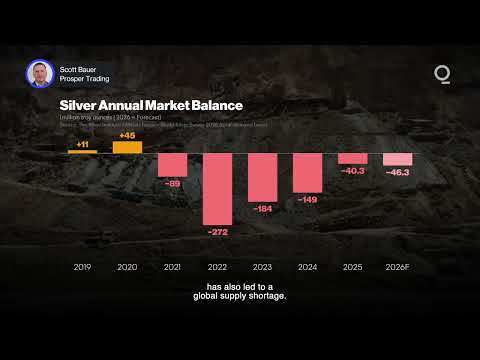
Beyond the short-term macro backdrop, silver retains support from a tight physical market. The Silver Institute’s World Silver Survey 2026⁠ forecasts a sixth consecutive annual market deficit this year, while demand from AI infrastructure, automobiles and power-grid investment remains supportive despite weakness in photovoltaic demand.

Silver’s larger percentage move relative to gold is consistent with its higher volatility. With gold also advancing strongly on Friday, momentum across the precious-metals complex appears to be amplifying silver’s gains.

Precious Metal Price Forecasts 2026: Gold, Silver and more

Explore expert and AI predictions for precious metal prices in 2026. Get insights on market trends for gold, silver, platinum, and palladium. Read here >>

(bullionvault.com)
Gold and Silver Retreat as Higher Treasury Yields and Easing Geopolitical Tensions Pressure Precious Metals

Gold and silver prices moved lower on Tuesday as investors rotated away from safe-haven assets following easing geopolitical tensions in the Middle East and rising U.S. Treasury yields ahead of this week's Federal Reserve meeting.

Gold futures fell around 0.8% to trade near $4,043 per ounce, while silver declined nearly 1.8% to about $57.70 per ounce, underperforming gold as traders reduced exposure across the precious metals complex.

The primary driver behind the decline was the continued unwinding of the geopolitical premium that had supported bullion during recent tensions between the United States and Iran. As fears of a broader regional conflict eased, demand for traditional safe-haven assets weakened.

At the same time, U.S. Treasury yields moved higher after the latest 2-year and 5-year Treasury auctions cleared at higher yields than previous sales. Rising yields increase the opportunity cost of holding non-interest-bearing assets such as gold and silver, making precious metals less attractive relative to fixed-income investments.

A firmer U.S. dollar also weighed on bullion prices by making dollar-denominated commodities more expensive for overseas buyers. Meanwhile, softer-than-expected U.S. durable goods orders reinforced expectations of moderating economic growth but did not materially change market expectations ahead of this week's Federal Reserve policy decision.

Silver posted steeper losses than gold, reflecting its dual role as both a precious and industrial metal. While safe-haven demand weakened, concerns about slowing manufacturing activity and softer industrial demand also weighed on silver prices.

Despite today's pullback, the longer-term outlook for precious metals remains supported by expectations that the Federal Reserve could begin easing monetary policy later this year if inflation continues to moderate. Investors are now focused on this week's Fed meeting, key U.S. inflation data, and comments from policymakers for further clues on the direction of interest rates and precious metal prices.
Gold and Silver Rise as Fed Rate Cut Expectations and Easing Middle East Tensions

Gold and silver traded higher on Monday morning in Asia, as investors continued to price in potential Federal Reserve interest rate cuts later this year and the impact of easing geopolitical tensions in the Middle East.

Gold climbed above $4,100 per ounce, gaining nearly 1% over the past five trading days, while silver rose above $60 per ounce, extending its weekly advance to almost 2%. Both precious metals found support from last week’s softer-than-expected U.S. inflation data, which reinforced expectations that the Federal Reserve could begin easing monetary policy in the coming months.

Lower interest rates typically benefit precious metals by reducing the opportunity cost of holding non-yielding assets and putting downward pressure on the U.S. dollar. As a result, investors continued to increase exposure to gold and silver despite a decline in safe-haven demand.

Geopolitical risks also remained in focus. The United States’ decision to halt its military attacks on Iran reduced fears of a broader regional conflict, easing some of the safe-haven buying . However, expectations of lower oil price, inflation and borrowing costs largely offset the impact of improving geopolitical sentiment.

Silver continued to draw additional support from its industrial demand outlook. Beyond its role as a precious metal, silver is widely used in solar panels, electronics, and other technology applications, making it more sensitive to expectations for global economic and manufacturing activity than gold.

Looking ahead, investors will closely monitor upcoming U.S. economic data and Federal Reserve commentary for further clues on the timing of potential rate cuts. While easing geopolitical tensions may limit safe-haven demand, expectations of lower interest rates and resilient industrial demand could continue supporting both gold and silver in the near term.

Gold and silver rally as CPI cools Fed-rate pressure - Kitco AM Report | Kitco News

Gold and silver rally as CPI cools Fed-rate pressure - Kitco AM Report
...

(kitco.com)

Gold Sinks to $4000 on Trump's Hormuz Tariff Ahead of US Inflation, Fed Testimony, Earnings | Gold News

Gold sank near $4000 on Monday as silver also fell on the worsening US-Iran and Russia-Ukraine wars ahead of US inflation and Fed testimony

(bullionvault.com)
Video Thumbnail
10-01-26WS News
Video Thumbnail
09-12-26European Investor
Video Thumbnail
09-09-26European Investor
Video Thumbnail
09-03-26WS News
Video Thumbnail
07-08-26WS News