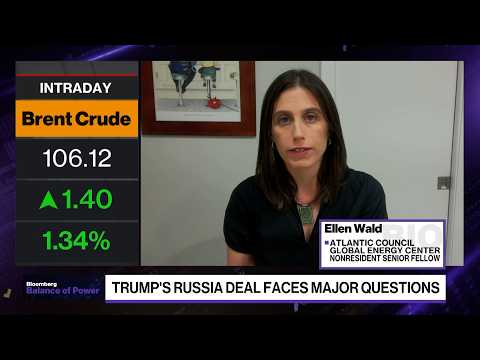
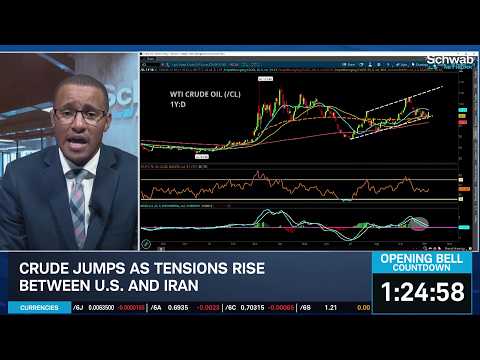
Brent Crude

Brent Crude Climbs Toward $80 as Supply Risks Outweigh Economic Concerns

Brent crude oil advanced nearly 1% on Friday, extending its recent gains as geopolitical tensions in the Middle East continued to support concerns over potential supply disruptions.

Oil prices remained elevated after recent military exchanges between the United States and Iran heightened uncertainty across the region. Investors continue to price in a geopolitical risk premium given the strategic importance of the Middle East to global energy markets.

The market also assessed this week’s U.S. economic data. Softer inflation strengthened expectations for Federal Reserve interest rate cuts, a development that could support future fuel demand by improving economic activity. However, mixed retail sales data suggested consumer spending may be moderating, limiting some of the optimism surrounding the demand outlook.

Meanwhile, traders continued monitoring global supply conditions, including OPEC+ production policy and U.S. inventory trends, while keeping a close watch on developments involving Russia and broader geopolitical risks.

With Brent approaching the $80-per-barrel level, price action is likely to remain highly sensitive to both macroeconomic developments and geopolitical headlines. Investors will continue watching Middle East tensions, central bank policy expectations, and global demand indicators for the next direction in the oil market.
Brent Crude Jumps Above $86 as Middle East Tensions Rekindle Supply Concerns

Brent crude oil climbed nearly 4% on Tuesday, trading above $86 per barrel as renewed geopolitical tensions involving the United States and Iran overshadowed broader macroeconomic developments and reignited concerns over global oil supplies.

Oil prices have rallied sharply over the past several sessions following a fresh escalation in the Middle East. Recent exchanges between the U.S. and Iran have increased fears that the conflict could disrupt energy infrastructure or shipping routes in the region, particularly around the Strait of Hormuz, a critical corridor for global crude exports.

The rally has also been supported by a generally constructive global economic backdrop. China's latest trade data surprised to the upside, with exports and imports both growing much faster than expected, pointing to resilient industrial activity and potentially stronger oil demand from the world's largest crude importer. Meanwhile, Germany reported a larger-than-expected trade surplus, reinforcing signs of stability in Europe's largest economy.

Despite these supportive demand signals, investors continue to monitor the outlook for global monetary policy. Mixed economic data from the United States and other major economies have kept expectations for future interest rate moves uncertain, leaving demand forecasts balanced against geopolitical risks.

Looking ahead, Brent's direction will likely remain driven by developments in the Middle East. Any further escalation between the U.S. and Iran could push prices even higher by increasing concerns over supply disruptions, while signs of de-escalation could quickly remove part of the geopolitical premium that has fueled the recent rally.

Oil prices rise as Trump vows to reinstate Hormuz strait blockade, US and Iran exchange strikes

Oil prices rose further on Monday as the US and Iran traded a new round of strikes.

(finance.yahoo.com)
Brent Crude Oil Rises 2.6% as U.S.-Iran Conflict Raises Supply Disruption Fears

Brent crude oil climbed more than 2.5% on Monday, extending its recent rally as escalating tensions between the United States and Iran renewed concerns over global oil supplies. Brent futures traded near $78 per barrel after investors priced in the growing risk of supply disruptions in the Middle East.

Middle East Tensions Drive Oil Higher

The latest gains came after the military conflict between the U.S. and Iran intensified, raising fears that crude exports from the region could be disrupted.

A key concern for energy markets is the Strait of Hormuz, one of the world's most important oil shipping routes. After Iran declared the Strait is closed, geopolitical risk premiums have returned to the oil market as traders prepare for the possibility of further escalation.

Supply Risks Outweigh Demand Concerns

The renewed geopolitical tensions have largely overshadowed concerns about slowing global economic growth and weaker fuel demand.

While investors continue to monitor the outlook for China and other major economies, the immediate focus has shifted toward potential supply shocks. Higher oil prices also reflect increased uncertainty surrounding shipping, insurance costs, and production risks across the Middle East.

The rebound follows several weeks of relatively stable prices, with traders now reassessing the balance between adequate global inventories and rising geopolitical risks.

What Investors Are Watching Next

Oil markets will remain highly sensitive to developments in the Middle East over the coming days. Any escalation that threatens production facilities or shipping routes could push prices higher, while signs of diplomatic progress could quickly remove part of the current geopolitical risk premium.

Beyond geopolitics, investors will also monitor upcoming U.S. inflation data, Federal Reserve expectations, and global demand indicators for additional direction.

For now, concerns over potential supply disruptions stemming from the U.S.-Iran conflict remain the dominant driver of Brent crude, helping lift prices despite ongoing uncertainty about the global economic outlook.
Brent Crude Slips as U.S.-Iran Tensions Keep Risk Premium Elevated While Macro Data Clouds Demand Outlook

Brent crude oil edged lower today, slipping nearly 1% to around $77.25 per barrel, as traders assessed renewed U.S.-Iran tensions alongside mixed global macroeconomic data.

Oil prices remain supported by geopolitical risk after attacks between the United States and Iran in recent days raised concerns over potential disruption risks in the Middle East. Although no major supply interruption has been confirmed, any escalation involving Iran increases market sensitivity because of the region's importance to global oil flows and the Strait of Hormuz.

At the same time, macroeconomic data created a more cautious demand backdrop. China’s consumer inflation slowed to 1.0% in June, slightly below expectations, while producer prices rose 4.1%, pointing to uneven economic momentum in the world’s largest crude importer.

The market is therefore balancing two opposing forces: geopolitical risk that supports prices and macro uncertainty that limits stronger upside. Traders are also watching U.S. inventory data, OPEC+ production decisions, and further developments in the U.S.-Iran conflict for the next direction.

For now, Brent remains elevated compared with last week, but the latest decline shows that demand concerns and uncertainty over the scale of any supply disruption continue to keep the market volatile.
Brent Crude Holds Near $72 as Traders Balance Supply Risks and Demand Outlook

Brent crude oil traded little changed on Monday, holding near *$71.80 per barrel* as investors balanced expectations of ample global supply against improving demand prospects following last week's weaker-than-expected U.S. economic data.

Oil prices remain under pressure after OPEC+ signaled another production increase beginning in August, raising concerns that additional supply could weigh on the market. At the same time, uncertainty over global economic growth continues to limit bullish sentiment.

However, downside pressure has been tempered by expectations that the Federal Reserve could begin cutting interest rates later this year after the U.S. economy added just *57,000 nonfarm payrolls* in June, well below market expectations. Lower borrowing costs could help support economic activity and energy demand in the coming months.

Investors are also monitoring geopolitical developments in the Middle East and global trade negotiations, both of which could influence the supply-demand outlook for crude markets.

With competing forces offsetting each other, Brent crude remained broadly stable around the *$72 per barrel* level as traders awaited fresh catalysts, including upcoming U.S. inflation data and further signals on global oil supply and demand.
Gold Climbs While Brent Holds Steady as Markets Weigh Weak U.S. Jobs Data and Fed Outlook

Gold prices advanced sharply while Brent crude oil ended nearly unchanged on Friday, as investors assessed weaker-than-expected U.S. labor market data and its implications for Federal Reserve policy.

August gold futures settled at $4,181.10 per ounce, gaining 1.34%, after the June U.S. Nonfarm Payrolls report showed the economy added just 57,000 jobs, well below economists’ expectations of 114,000. Although weekly initial jobless claims came in at 215,000, slightly below forecasts, the sharp slowdown in hiring reinforced expectations that the Federal Reserve could begin cutting interest rates later this year.

Lower interest rates tend to support gold by reducing the opportunity cost of holding non-yielding assets. The precious metal also continued to benefit from recent remarks by Federal Reserve Governor Kevin Warsh at the ECB Forum in Portugal, where he emphasized that policymakers should remain flexible as economic conditions evolve. Ongoing geopolitical uncertainty and continued central bank demand also provided additional support for bullion.

Meanwhile, Brent crude finished the session near $71.76 per barrel, little changed despite early volatility. Oil prices initially came under pressure following the disappointing U.S. jobs report, as weaker employment growth raised concerns about future fuel demand in the world’s largest economy.

However, losses were limited by continued attention to global supply conditions, including OPEC+ production policy and broader geopolitical risks. Investors also weighed the possibility that weaker economic data could accelerate Fed rate cuts, which could eventually support economic growth and energy demand.

With U.S. financial markets closed on Friday for the Independence Day holiday, trading volumes remained relatively light. However, gold outperformed on growing expectations of monetary policy easing, while Brent crude held broadly steady as demand concerns were balanced by ongoing supply-side support.
Brent Crude Falls as Geopolitical Risk Premium Continues to Fade

Brent crude oil traded lower on Wednesday, extending its recent decline as easing geopolitical tensions reduced the risk premium that had supported prices earlier.

At the time of writing, Brent crude was down 1.05% at $70.82 per barrel. Over the past five days, prices have fallen nearly 6%, reflecting a sharp shift in sentiment after fears of a wider Middle East conflict eased.

The decline suggests traders are moving away from supply-disruption concerns and refocusing on fundamentals, including global demand, OPEC+ production policy, and signs of slower economic activity.

Recent U.S. data showed private job growth and manufacturing momentum weakening, raising concerns that softer economic growth could weigh on energy demand. At the same time, the U.S.-Iran ceasefire has reduced immediate fears of disruption in key oil-producing regions.

For now, Brent remains under pressure as the market unwinds geopolitical risk pricing. Unless new supply risks emerge, traders are likely to keep watching demand indicators and upcoming inventory data for the next clear direction.
Gold and Brent Crude Extend Losses as Easing Geopolitical Tensions Weigh on Commodities

Gold and Brent crude oil traded lower on Wednesday as easing geopolitical tensions in the Middle East reduced demand for traditional safe-haven and risk-premium assets, while investors shifted their focus back to broader macroeconomic fundamentals.

At the time of writing, Brent crude futures were down 1.4% at $71.90 per barrel, while gold futures fell 1.3% to $3,986.40 per ounce.

# Brent Crude Slides as Geopolitical Risk Premium Fades

Brent crude extended its recent decline after the ceasefire between the United States and Iran eased concerns over potential supply disruptions from the Middle East.

With the immediate threat of a broader regional conflict diminishing, traders have continued to remove the geopolitical risk premium that had supported oil prices during recent tensions. Investors are now turning their attention back to global supply and demand fundamentals, including OPEC+ production policy, economic growth, and fuel demand.

# Gold Pulls Back as Investors Take Profits

Gold also came under pressure as investors reduced safe-haven positions amid improving market sentiment.

The easing of geopolitical risks encouraged investors to rotate into equities, particularly technology stocks, while the precious metal faced additional selling following its exceptional rally over the past year. After climbing to record highs, gold appears to be experiencing a period of profit-taking as some investors lock in gains.

Despite the recent pullback, the longer-term outlook for gold remains supported by continued central bank buying, ongoing geopolitical uncertainty, and expectations that major central banks could gradually ease monetary policy over time.

# Risk Appetite Improves Across Financial Markets

The decline in gold and oil coincided with another positive session for global equity markets. U.S. stocks advanced, led by technology shares, as investors welcomed easing geopolitical tensions and continued to favor risk assets.

The improving market sentiment reduced demand for defensive investments, contributing to weakness across both commodities.

# What Investors Are Watching

Looking ahead, market participants will closely monitor:

* Developments surrounding the U.S.-Iran ceasefire.
* OPEC+ production policy and global oil demand.
* Upcoming U.S. labor market and inflation data.
* Central bank policy expectations and broader risk sentiment.

With geopolitical risks easing and investors rotating back into equities, both gold and Brent crude could remain under pressure in the near term, although any renewed geopolitical tensions or deterioration in the economic outlook could quickly restore demand for defensive assets.
Brent crude extended its decline on Friday, falling more than 3% to around $73 per barrel as easing geopolitical tensions and improving oil flows from the Middle East continued to pressure prices.

The recent risk premium that lifted crude prices during the Iran conflict has largely faded after signs of a sustained ceasefire and the gradual normalization of tanker traffic through the Strait of Hormuz. With supply disruption fears easing, traders have shifted their focus back to underlying market fundamentals.

Oil also remains under pressure from concerns about global demand. Slowing economic activity in several major economies and expectations for ample supply have weighed on sentiment, reinforcing the recent pullback in crude prices. Analysts have also begun lowering their near-term oil price forecasts as geopolitical risks recede and supply conditions improve. (The Wall Street Journal)

Despite today's decline, investors continue to monitor developments in the Middle East, as any renewed disruption to regional oil exports or shipping routes could quickly restore volatility to the energy market.
Video Thumbnail
07-14-26WS News
Video Thumbnail
07-14-26Global Finance News
Video Thumbnail
07-13-26WS News
Video Thumbnail
07-13-26European Investor
Video Thumbnail
07-13-26European Investor