
WS Investor
09 Sep 2026, 14:07
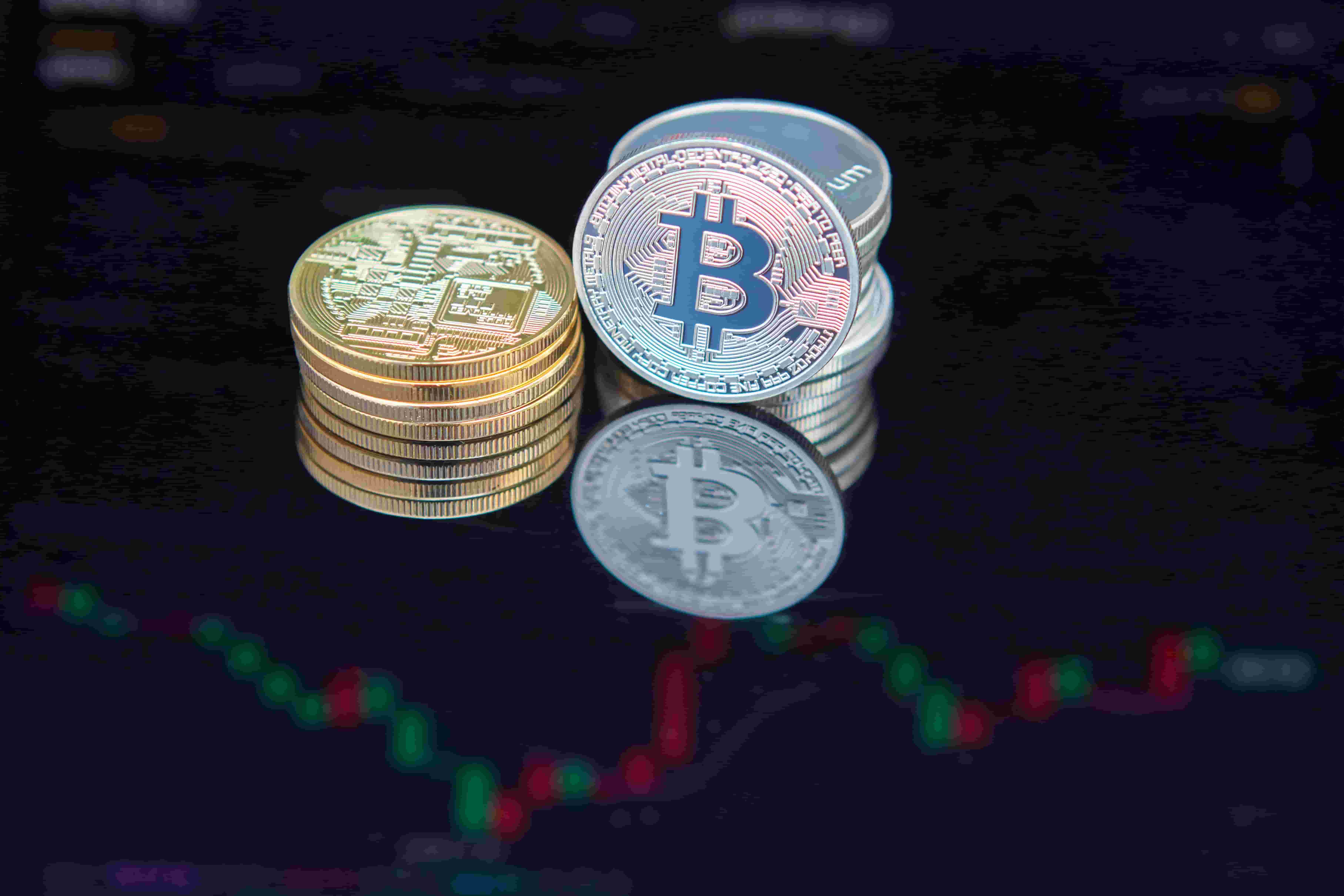
Gold and Bitcoin Rise as Middle East Tensions Drive Volatility Across Markets
Gold and Bitcoin moved higher Wednesday as escalating Middle East tensions, oil prices above $100 and renewed inflation concerns drove volatility across global markets.
December gold futures rose 0.77% to $4,473.10 per ounce, extending an intraday rebound as investors sought traditional safe-haven assets. Spot gold was also higher on the day as global equities declined.
Geopolitical risk remains a major catalyst. Brent crude climbed above $100 per barrel for the first time since July as renewed U.S.-Iran attacks, strikes on tankers and attacks on Saudi energy facilities intensified concerns over Middle East oil supplies. Brent reached an intraday high of $100.90, while flows through the Strait of Hormuz have fallen sharply.
Bitcoin also advanced, rising 1.76% over the past 24 hours to around $79,303 after trading below $78,000 earlier in the period. The cryptocurrency’s recovery came despite pressure on U.S. equities and rising Treasury yields, suggesting some improvement in crypto risk appetite.
However, higher oil prices create a competing risk for both assets. The energy surge is increasing inflation concerns and strengthening the case for tighter monetary policy. The U.S. 10-year Treasury yield was around 4.81%, near a three-year high, as markets await producer and consumer inflation reports later this week.
Gold is currently benefiting more directly from safe-haven demand, while Bitcoin remains sensitive to the outlook for interest rates and broader risk sentiment. Upcoming U.S. inflation data could therefore be the next major catalyst for both markets.
Gold and Bitcoin moved higher Wednesday as escalating Middle East tensions, oil prices above $100 and renewed inflation concerns drove volatility across global markets.
December gold futures rose 0.77% to $4,473.10 per ounce, extending an intraday rebound as investors sought traditional safe-haven assets. Spot gold was also higher on the day as global equities declined.
Geopolitical risk remains a major catalyst. Brent crude climbed above $100 per barrel for the first time since July as renewed U.S.-Iran attacks, strikes on tankers and attacks on Saudi energy facilities intensified concerns over Middle East oil supplies. Brent reached an intraday high of $100.90, while flows through the Strait of Hormuz have fallen sharply.
Bitcoin also advanced, rising 1.76% over the past 24 hours to around $79,303 after trading below $78,000 earlier in the period. The cryptocurrency’s recovery came despite pressure on U.S. equities and rising Treasury yields, suggesting some improvement in crypto risk appetite.
However, higher oil prices create a competing risk for both assets. The energy surge is increasing inflation concerns and strengthening the case for tighter monetary policy. The U.S. 10-year Treasury yield was around 4.81%, near a three-year high, as markets await producer and consumer inflation reports later this week.
Gold is currently benefiting more directly from safe-haven demand, while Bitcoin remains sensitive to the outlook for interest rates and broader risk sentiment. Upcoming U.S. inflation data could therefore be the next major catalyst for both markets.