KOSPI

KOSPI Drops Nearly 9% as SK Hynix Selloff Following U.S. ADR Debut Weighs on South Korean Market

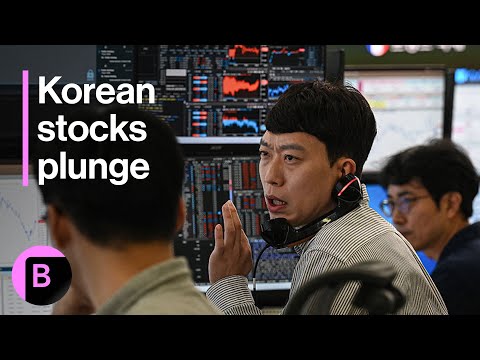
South Korea's KOSPI plunged nearly 9% on Monday, extending its recent correction as heavy selling in semiconductor stocks triggered a broad market decline. The selloff was led by SK Hynix, whose shares tumbled more than 15% despite the company's record-breaking U.S. ADR listing last week.

SK Hynix Leads Market Lower After Nasdaq Listing

SK Hynix shares fell sharply in Seoul following the company's blockbuster $26.5 billion U.S. ADR offering, which became one of the largest overseas share sales ever by an Asian company. While the Nasdaq debut was initially well received, investors took profits in the Korean-listed shares and shifted attention to the newly listed U.S. ADRs, putting significant pressure on the stock.

Semiconductor Weakness Drags Down KOSPI

As one of the largest constituents of the KOSPI, SK Hynix's steep decline had an outsized impact on the broader market. Other technology stocks, including Samsung Electronics, also came under pressure as investors reduced exposure to the semiconductor sector.

The selloff pushed the KOSPI below the 7,000 level, with the index suffering one of its sharpest single-day declines in recent months. The weakness reflected not only pressure on chipmakers but also broader risk aversion across Asian markets.

Geopolitical Tensions Add to Selling Pressure

Beyond company-specific factors, renewed conflict in the Middle East added another layer of uncertainty for investors.

Rising oil prices following the escalation between the United States and Iran increased concerns about inflation and global economic growth, prompting investors to reduce exposure to risk assets worldwide. Those macroeconomic concerns amplified the selling pressure already building in South Korea's technology-heavy equity market.

What Investors Are Watching Next

Investors will now closely monitor SK Hynix's upcoming earnings, AI memory demand trends, and developments surrounding its newly listed U.S. ADRs. The performance of major semiconductor companies remains critical for the KOSPI given their significant weighting in the index.

For the broader market, sentiment is likely to remain tied to both global technology stocks and geopolitical developments, with any easing of Middle East tensions or renewed confidence in AI-driven semiconductor demand potentially helping stabilize South Korean equities.
South Korea's KOSPI extended its losses on Friday, falling nearly 6% as investors continued to reduce exposure to the country's technology sector following a broad global semiconductor selloff.

The index remained under pressure after concerns over AI-related valuations triggered heavy selling in major chipmakers earlier this week. Although Micron's strong earnings reaffirmed robust long-term AI demand, investors continued taking profits in Korean semiconductor stocks, with heavyweight memory producers leading the decline.

Sentiment was also weighed down by uncertainty surrounding global trade and persistent inflation concerns in the United States. The latest U.S. Core PCE data remained well above the Federal Reserve's 2% target, reinforcing expectations that interest rates could stay elevated for longer and reducing appetite for high-growth technology stocks.

With semiconductor companies accounting for a significant share of the KOSPI, continued weakness in the global chip sector has amplified selling pressure. Investors will now watch for signs of stabilization in AI-related technology stocks and upcoming economic data to gauge whether the recent correction has run its course.

Could the tides be changing?

If you think investing is simply buying the S&P 500 every month, think again. While this held in the last 40 years, there's no guarantee of the future.

(sgbudgetbabe.com)

Why Korea’s Stock Market Is Forecast to Rise to Record Highs | Goldman Sachs

A recent drop in Korean equity prices could provide an attractive opportunity for investors amid a positive outlook for semiconductor companies and the market’s history of bouncing back from steep declines.

(goldmansachs.com)

Why Korean Stocks Could Keep Rising | Goldman Sachs

Can the world’s best-performing major equity market continue its run in 2026? Enna Hattori of Goldman Sachs Global Banking & Markets separates the signal from the noise.

(goldmansachs.com)
South Korean Stocks Advance as Tech Shares Lead Gains

South Korean equities moved higher today as investors returned to risk assets following the New Year break, supported by gains in technology heavyweights and improved global sentiment. The benchmark KOSPI index rose modestly in early trading due to easing concerns over near-term global volatility.

Technology shares were among the main drivers of the advance. Reuters reported that chipmakers and electronics exporters benefited from optimism around artificial intelligence demand and expectations of a stabilization in the global semiconductor cycle. This helped offset lingering concerns about slowing global growth and trade-related uncertainty.

Currency and policy developments also remained in focus. Bloomberg noted that the South Korean won traded in a relatively stable range, as investors assessed the outlook for U.S. interest rates and their implications for emerging Asian markets. Market participants continue to monitor signals from the Bank of Korea, which has maintained a cautious stance amid mixed inflation and growth indicators.

Investor attention is now turning to upcoming economic data and corporate earnings updates, which are expected to provide clearer direction for Korean equities in the weeks ahead. Analysts cited by Reuters suggested that while near-term gains may be limited, sentiment has improved compared with the end of last year.
Video Thumbnail
06-26-26WS Investor
Video Thumbnail
03-05-26The Investor
Video Thumbnail
02-19-26WS News