
Global Finance News
03 Nov 2026, 09:39
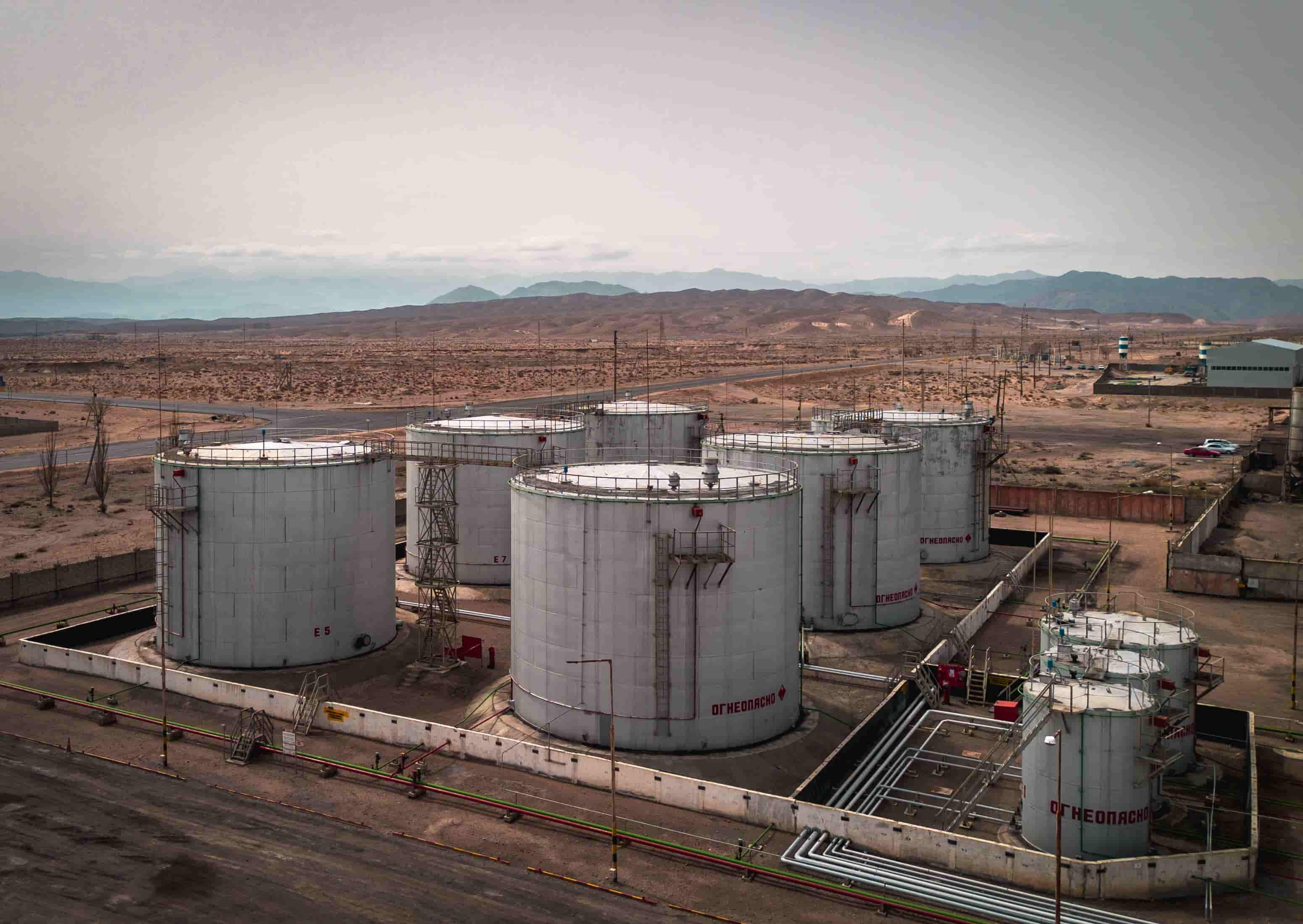
Brent Crude Rebounds While Gold Falls as Middle East Tensions Shift Inflation Expectations
Brent crude rose while gold moved sharply lower on Tuesday, as renewed Middle East tensions pushed energy prices higher but also strengthened concerns that inflation could remain elevated.
Brent futures climbed about 1.9% to $106.71 a barrel, reversing part of the previous session’s steep decline. The rebound followed renewed geopolitical tensions involving the U.S. and Iran, which brought supply risks back into focus after hopes for diplomatic progress had reduced the oil market’s risk premium.
Oil prices moved higher after reports of a U.S. strike on Iran’s Qeshm Island, while comments from Iranian officials suggested the two sides remain far apart on a potential agreement. The developments revived concerns over Middle East supply disruptions and restored part of the geopolitical risk premium that had been removed from prices a day earlier. (Reuters)
The move suggests traders are once again pricing in the possibility of disruptions to regional energy flows, particularly if tensions spread to shipping routes or critical oil infrastructure. Brent had fallen sharply a day earlier as expectations for negotiations increased, making Tuesday’s rebound largely a reassessment of those assumptions.
Gold moved in the opposite direction. Futures fell about 1.5% to $3,910.10 an ounce, extending pressure on bullion despite the increase in geopolitical uncertainty.
The decline appears to reflect the inflation and interest-rate implications of higher oil prices. A renewed rise in energy costs can increase inflation expectations and reinforce the case for tighter or more prolonged restrictive monetary policy. Higher interest rates and bond yields generally reduce the relative appeal of non-yielding assets such as gold.
The contrasting moves in Brent and gold highlight how the same geopolitical event can affect asset classes differently. Oil is benefiting directly from renewed supply-risk concerns, while gold is facing pressure from the possibility that higher energy prices could keep inflation and interest rates elevated.
Near-term direction for both markets is likely to remain tied to developments between Washington and Tehran. Further escalation could support crude prices, while gold may continue to depend more heavily on how the conflict affects Treasury yields, the U.S. dollar and expectations for Federal Reserve policy.